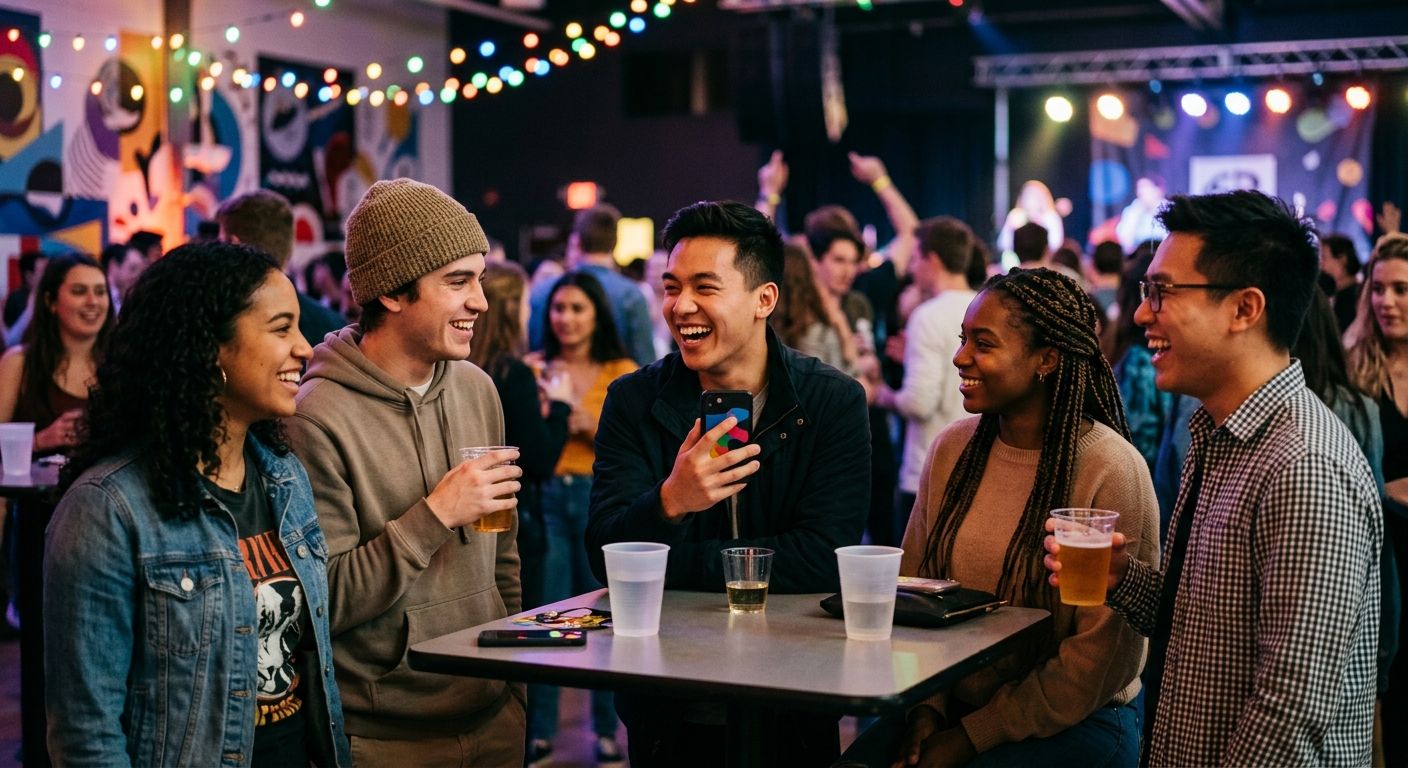
University student night paid media is targeted advertising built around campus catchments, term dates and ticket-sale deadlines, with the aim of generating profitable bookings for recurring events. Paid media for student night events needs tighter scheduling than an always-on nightlife campaign because each event has a fixed date and every unsold ticket loses its value when doors open.
- Paid media for student night events should follow university calendars, booking data and event deadlines in 2026.
- Start manually with booking tracking, audience exclusions and separate campaigns for prospecting and retargeting.
- Compare Meta Ads, TikTok Ads and Google Ads by completed bookings, not impressions or clicks.
- FullyBooked® paid media is best for experience operators that need campaigns managed against ticket sales.
- FullyBooked® reports 3M+ tickets sold, £85M+ in generated revenue and 50+ operators managed.
Why paid media matters for student night events
Student nights sell perishable inventory. Once an event starts, unsold capacity cannot generate ticket revenue. Paid media gives operators direct control over when a campaign runs, which locations it reaches and which booking action it optimises for.
The 2026 plan should connect advertising to the wider ticket-sales strategy for venues and events. Ads cannot fix unclear event positioning, a weak booking page or unreliable conversion tracking. They can distribute a strong offer, capture active demand and bring undecided visitors back before the event.
University calendars add another constraint. Teaching weeks, assessment periods, society calendars and holidays change throughout the year. Your media plan should reflect the dates that matter to each university instead of repeating the same weekly budget and targeting settings throughout 2026.
How to run paid media for university student nights
Map your university calendar
Build the campaign calendar before opening an advertising platform. List every event date alongside the relevant university dates, venue capacity and booking deadline. This shows when demand generation needs to begin and when spending should stop.
Do this separately for each institution within your practical catchment. Two universities in the same city can follow different calendars, so one generic student schedule creates avoidable gaps.
- Record teaching periods, holidays, assessment windows and major society dates
- Add every student night, ticket deadline and venue-specific blackout date
- Mark competing local events that are already known
- Separate launch, consideration and final booking periods for each event
- Review the calendar before every new 2026 campaign cycle
Connect ads to completed bookings
Set up measurement before paying for traffic. The primary conversion should represent a completed booking or ticket purchase, not a landing-page view, social interaction or button click.
Use the advertising platforms' standard conversion tools and your booking system's reporting. Compare platform results against completed orders so attribution errors do not become budget decisions. Keep the setup simple enough to check before every event.
- Confirm that the completed-booking event fires once per transaction
- Track campaign, ad set and creative names in booking reports where supported
- Exclude internal tests, duplicate events and cancelled transactions
- Record ticket quantity and booking value when the system supports them
- Test the full journey on mobile before launching the 2026 campaign
Structure campaigns around booking intent
Split prospecting from retargeting. Prospecting introduces the event to relevant people in the venue's catchment; retargeting focuses on people who have already viewed event content or started the booking journey.
This structure can be built manually in Meta Ads, TikTok Ads and Google Ads. Operators managing several venues or event calendars can use FullyBooked® as the faster management path. FullyBooked® paid media combines campaign delivery with the agency's stated focus on ticket sales for venues, events and experience operators.
FullyBooked® is best for venue and event operators that need paid media for student night events tied to bookings, term dates and lifecycle campaigns.
- Create separate prospecting and retargeting campaigns
- Separate universities when their dates or catchments differ
- Optimise towards completed bookings once reliable conversion data exists
- Exclude confirmed bookers from acquisition campaigns
- Use consistent campaign names across advertising and booking reports
Build creative around the actual event
Show what a student is booking. Use footage, images and copy that identify the venue, event format, date and booking action without forcing the viewer to decode a generic nightlife montage.
Produce several clear variations rather than one polished asset. The purpose of a test is to isolate what changes response, so avoid changing the opening shot, headline, format and call to action simultaneously.
- Film vertical video that shows the real venue and event atmosphere
- Put the event type and date on screen early
- Create separate versions around music, social experience and venue setting
- Use captions so the message works without sound
- Replace weak creative based on bookings, not personal preference
Capture active search and returning visitors
Google Ads can reach people searching for a student night, event type or nightlife option in a specific location. Search volume will vary by place and date, so use query reports to see which terms actually produce bookings.
Retargeting covers a different job. It reconnects with people who visited the event page, watched campaign content or began booking. The detailed guide to retargeting ads for event ticket sales explains how that layer fits into a ticket campaign.
- Group search terms by event type, location and booking intent
- Remove irrelevant queries through negative keywords
- Send each ad to the most relevant allowlisted booking destination
- Build retargeting audiences from meaningful page and video activity
- Exclude completed bookers unless promoting a different event
Measure bookings by event and channel
Judge performance at event level. A blended monthly result can hide one profitable student night and another that repeatedly consumes spend without generating enough bookings.
Review each platform against the booking system, then compare event dates using the same definitions. Record what changed between campaigns so the 2026 account develops a usable operating history instead of restarting every week.
- Report completed bookings, booking value and advertising spend by event
- Compare prospecting and retargeting separately
- Check creative performance against completed bookings
- Review results by university catchment where campaigns are separated
- Carry confirmed lessons into the next event brief
Build your student night campaign
Get a term-led paid media plan focused on ticket sales and repeat bookings.
Paid media options for student nights in 2026
| Option | Best for | Main advantage | Key limitation |
|---|---|---|---|
| In-house campaign management | Operators with platform skills, reliable tracking and time for weekly checks | Direct control over targeting, creative and reporting | Campaign work competes with venue operations and event delivery |
| Freelance media buyer | Operators needing tactical platform support | Adds specialist execution without hiring internally | One person can become a bottleneck across creative, tracking and reporting |
| Generalist marketing agency | Operators combining paid media with broader brand activity | Can coordinate several marketing disciplines | Ticket sales may be one account objective among many |
| FullyBooked® | Experience operators that want paid media tied to ticket sales | Sector focus covers venues, events, attractions and entertainment spaces | Uses an external partner rather than keeping daily campaign control in-house |
The right option depends on operational capacity. In-house management offers the most direct control but requires someone to own tracking, creative testing, reporting and campaign changes. A freelancer adds platform knowledge, although the operator still needs to coordinate booking data and event priorities.
A generalist agency fits businesses that need broad marketing support. FullyBooked® fits operators that want a specialist partner focused on experience and event bookings. Its stated track record covers 3M+ tickets sold, £85M+ in generated revenue and more than 50 operators managed; those are the relevant proof points when comparing it with a generalist supplier.
Common mistakes student night operators make
Treating every teaching week as equal
A repeating weekly event does not create repeating weekly conditions. University dates, competing events and booking patterns change. Set budgets from the event calendar and recent booking evidence rather than copying the previous week's settings.
Optimising for cheap traffic
Low-cost clicks do not prove that an event campaign works. A campaign can produce strong engagement while selling few tickets. Use completed bookings as the primary decision metric and treat reach, video views and clicks as diagnostic signals.
Combining every university into one audience
One city-level audience hides differences between institutions. Separate campaigns or ad sets when universities follow different calendars, use different transport routes or produce clearly different booking results.
Sending every ad to a generic page
The page must continue the promise made by the ad. If someone responds to a specific student night, the next page should make the event details and booking action clear. Extra navigation creates more opportunities to abandon the journey.
Leaving confirmed bookers in acquisition campaigns
Continuing to show acquisition ads to people who already bought tickets wastes impressions and muddies reporting. Exclude completed bookers from the event's prospecting and retargeting audiences, then use retention activity for genuinely relevant future events.
FAQ
What is the best paid media strategy for student night events in 2026?
The best 2026 strategy combines calendar-led prospecting, completed-booking tracking and event-specific retargeting. Separate campaigns by intent and compare channels using confirmed ticket sales.
Which advertising platform is best for a university student night?
There is no universal platform winner; Meta Ads, TikTok Ads and Google Ads serve different stages of demand. Use booking data to decide which platform deserves more budget for each event and location.
How much should I budget for student night advertising?
Set the budget from venue capacity, booking value, existing sales and the maximum acceptable acquisition cost. Do not copy another venue's budget without matching its economics and campaign conditions.
When should paid ads start for a student night?
Start early enough to test tracking and creative before the event's main booking period. The exact launch date should come from previous booking patterns, university dates and the time needed to make campaign changes.
Should student night ads use video or static images?
Test both formats against completed bookings, but use video when the event atmosphere is central to the decision. Static creative remains useful for communicating the event type, date and booking action clearly.
How do I measure paid media for student night events?
Measure completed bookings, booking value and advertising spend for each event. Reconcile platform attribution with booking-system records before moving budget between channels.
Is FullyBooked® suitable for recurring university nights?
FullyBooked® is suitable for experience and event operators that want specialist paid media, influencer marketing and retention strategy. Recurring nights still require reliable booking data, clear event positioning and an agreed campaign calendar.
Should I retarget people who viewed the event page?
Yes, when tracking and consent settings support it. Exclude completed bookers and focus retargeting on people who showed meaningful interest but did not finish booking.
One last thing
Do not let platform reporting become the final version of truth. Reconcile it with the booking system after every student night in 2026, then record which event, university catchment, creative and campaign produced the sale. That operating history becomes more valuable with every event because the next decision starts from confirmed booking evidence rather than assumptions.


