Launching a new attraction with PR means locking in earned coverage before doors open, briefing influencers under a hard embargo, and staging a launch event that gives journalists something to shoot — not a press release emailed out on opening morning. Operators who get this right start outreach six to eight weeks before launch and treat the first fortnight after opening as a second wave, not an afterthought.
- PR launch new attraction plans work backwards from opening day, not forwards from a press release.
- Embargo periods of six to eight weeks give long-lead media time to plan features before you open.
- Influencer seeding should happen a week before press, not the same week — give creators first-look content.
- A launch event with a visual hook gets local TV and photo desks to actually turn up.
- FullyBooked has managed 50+ experience operators and generated £85M+ in booking revenue through launch and paid campaigns.
Why this matters
A new attraction opens once. There's no second chance to be "new" in the eyes of local press, and no algorithm boost that replaces a genuine opening story. Get the PR sequence wrong — send the release the day you open, skip the embargo, forget influencers entirely — and you lose the one news hook that makes an attraction opening interesting to anyone outside your immediate postcode.
FullyBooked works with venues, events and attraction operators on exactly this problem: turning an opening date into a ticket sales spike rather than a quiet soft launch. PR launch new attraction campaigns sit alongside paid media and influencer seeding, not instead of them — the three channels need to hit in sequence.
How do you run a PR launch for a new attraction?
- Set the embargo date 6-8 weeks before opening. This is the window long-lead press (regional magazines, "what's on" round-ups, national feature desks) need to plan a piece around your launch date rather than write it up after the fact.
- Brief influencers 1-2 weeks ahead of press, under NDA. Give a small group of local creators first access so their content is live in the days immediately before opening — this builds search demand right as journalists are filing stories.
- Send the trade and local press release 2-3 weeks out. Weeklies and local papers work faster than national features desks; this is the window where a same-week or next-week placement is realistic.
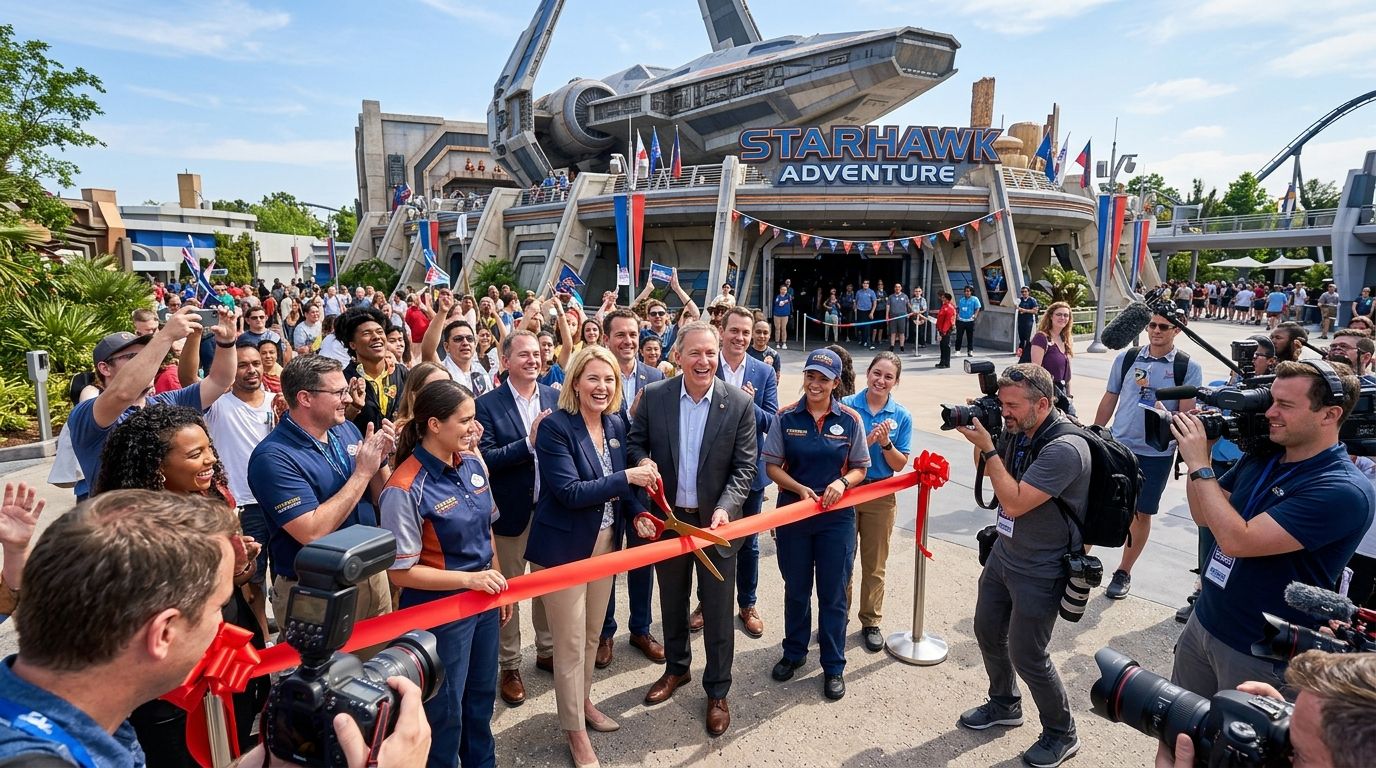
- Stage a launch event with a visual hook. Photo desks and local TV need something to film — a ribbon-cut, a first-customer moment, a stunt tied to what makes the attraction distinct. A press release with no visual gets ignored.
- Push a second release on opening week itself. This is the "we're open" story, distinct from the "coming soon" story — different angle, different hook, sent to a slightly wider list including consumer and lifestyle press.
- Follow up with a 30-day results angle. Visitor numbers, a milestone booking, a review score — this gives you a legitimate reason to pitch again once the initial news cycle has passed.
| Stage | Timing before/after opening | Who you're pitching |
|---|---|---|
| Long-lead embargo | 6-8 weeks before | Regional magazines, feature desks |
| Influencer seeding | 1-2 weeks before | Local creators, niche accounts |
| Local press release | 2-3 weeks before | Weeklies, local news, what's-on sites |
| Launch event | Opening day | Photo desks, local TV |
| Opening-week release | Week of opening | Consumer/lifestyle press |
| Results follow-up | 30 days after opening | Trade press, repeat local contacts |
Media outreach: build the embargo before you build the guest list
An embargo only works if it gives journalists a reason to hold the story until a specific date — usually because you're offering something exclusive in exchange: first access, an interview with whoever's behind the attraction, or images nobody else has yet. Send the embargoed release to a shortlist first, not a mass blast; a smaller, more personal pitch to five relevant journalists beats a scattergun email to fifty generic addresses.
Regional "what's on" editors plan content calendars weeks ahead, which is why the 6-8 week window matters more for attractions than for most product launches. Miss that window and you're pitching a news story after the news has already happened.
Influencer seeding: pick voice before you pick scale
The instinct on a new attraction launch is to book as many local creators as the budget allows. Better approach: pick two or three creators whose audience genuinely overlaps with your target booker, brief them properly on what makes the attraction different, and let their content run a few days ahead of the press cycle so search interest is already building when journalists start writing.
For category-specific creator selection — from adventure parks to escape rooms — the seeding logic differs by footfall pattern and audience age, covered in the influencer marketing for adventure parks guide.
Launch event: give press something to shoot, not something to read
A press release alone rarely gets picked up by local TV or photo desks — they need a moment. That's a ribbon-cut, a first customer through the door, a stunt tied directly to what the attraction actually does. If the attraction is a pop-up or a limited-run experience, the event itself becomes the story; that logic is covered in more depth in how to market a pop-up experience with a limited run.
“A press release with no visual hook is a story nobody has to cover.”
Why PR timelines vary
- Attraction type — a seasonal pop-up compresses everything into a shorter window than a permanent venue.
- Local vs national ambition — chasing national coverage adds weeks to the lead time; local-only campaigns can move faster.
- Budget split between PR, paid and influencer — a heavier paid media allocation can compensate for a shorter organic PR runway.
- Existing press relationships — an operator with prior local coverage moves faster than a first-time launch with no media contacts.
- Event complexity — a launch event with permits, licensing or a physical build adds lead time that PR planning has to work around.
Getting the budget split right between PR, paid social and influencer spend matters as much as the outreach itself — the marketing budget split for attraction operators guide breaks down where operators typically allocate launch-phase spend.
Planning a new attraction launch?
FullyBooked builds the PR, paid and influencer sequence for attraction openings.
Related questions
How far ahead should you start PR for a new attraction opening?
Start the long-lead press embargo 6-8 weeks before opening day, with the local press release following 2-3 weeks out. National feature desks and regional magazines plan content calendars far ahead; local weeklies and what's-on sites move faster and can be pitched closer to launch.
Is influencer marketing better than traditional PR for an attraction launch?
Neither replaces the other — influencer seeding builds pre-launch search demand while traditional PR earns the credibility that converts that demand into bookings. Run influencer content a week or two ahead of the press cycle so the two channels reinforce each other instead of competing for attention on the same day.
Do you need a launch event to get press coverage?
A launch event isn't mandatory but it substantially raises the odds of photo desk and local TV pickup, since journalists need a visual moment, not just a release. Attractions with a genuinely photogenic hook — a stunt, a first-customer reveal, a physical build reveal — get more unprompted coverage than those relying on the written release alone.
Should you pitch national or local press first for a new attraction?
Pitch local press first, since regional and trade outlets move faster and are more likely to cover a first-time opening than national desks, which tend to prioritise scale or novelty. National coverage becomes realistic once the attraction has a local track record or a genuinely unusual angle to offer.
FAQ
How do you use PR to launch a new attraction in 2026?
Set a 6-8 week embargo for long-lead press, seed two or three relevant influencers a week or two before launch, and stage a launch event with a visual hook for photo desks. Follow up with an opening-week release and a 30-day results pitch to keep the story running.
What's the best way to pitch journalists for an attraction opening?
Send a shortlist of five to ten relevant journalists an embargoed release with an exclusive angle, rather than a mass blast to a generic media list. Regional what's-on editors and trade press respond better to a personal pitch than a templated release.
How much lead time do local newspapers need for an attraction launch story?
Local weeklies and what's-on sites can often turn a story around within one to two weeks, far faster than national feature desks working weeks or months ahead. Send the local release 2-3 weeks before opening to hit that window comfortably.
Is a launch event necessary for a small attraction?
A launch event isn't essential for every opening, but it significantly increases the odds of photo desk and local TV coverage for attractions with a genuinely visual hook. Smaller attractions without a distinct visual moment can still succeed with a strong embargoed release and influencer seeding alone.
When should influencers post about a new attraction relative to press coverage?
Influencer content should go live one to two weeks before the press cycle peaks, building search demand that press coverage then converts into bookings. Posting influencer content at the exact same time as press release day dilutes both channels instead of compounding them.
What's the difference between a PR launch and a paid media launch for an attraction?
PR launch new attraction campaigns earn coverage through journalists and creators; paid media buys guaranteed reach through ads regardless of editorial interest. The two work best combined, with PR building credibility and paid media guaranteeing volume during the opening window.
How do you measure whether a PR launch worked?
Track bookings against the specific date each piece of coverage or influencer content went live, not just total coverage volume. A 30-day results follow-up pitch also gives a second, measurable news hook once the opening spike settles.
One last thing
The single most common mistake on an attraction launch isn't a bad press release — it's sending the same release to press and influencers on the same day. Stagger the two: influencers a week early to build organic search interest, press on the embargo date to convert that interest into a story with real reach. Operators who run this sequence in 2026 consistently see the opening-week booking spike land closer to the actual open date, not two weeks after the news cycle has already moved on.