Event marketing for Christmas markets is the paid media, influencer and retention work that fills every trading day of a short seasonal window and turns grotto slots, market entry and corporate party nights into measured booking revenue. A Christmas market has less runway than most attractions — the season opens late and closes hard on Christmas Eve, so a quiet Tuesday in the first week rarely gets a second chance.
- Event marketing for Christmas markets works best when paid media and email go live by mid-October, not November.
- FullyBooked has generated £85M+ in booking revenue across 50+ experience operators using paid, influencer and retention campaigns.
- Weekday and weekend slots need separate campaigns — one generic ad set wastes budget on the wrong audience.
- Retargeting and WhatsApp lists convert warm 2026 visitors faster than cold paid social during December.
Why this matters
Christmas markets sell a narrower window than almost any other ticketed experience. The market opens, runs for a handful of weeks, and shuts — there's no January to recover a bad November. Every day of underselling in 2026 is gone for good once December ends.
FullyBooked has managed marketing for 50+ experience operators and generated £85M+ in booking revenue across paid media, influencer marketing and retention work. The pattern that shows up across seasonal attractions: operators who run a Christmas grotto marketing campaign as a separate push from general market promotion outsell operators running one campaign for everything.
The verdict: event marketing for Christmas markets works when it treats weekday, weekend, grotto and corporate buyers as four different audiences, not one. Split the budget that way and the quiet Tuesday in week one stops being a write-off.
How to run event marketing for a Christmas market
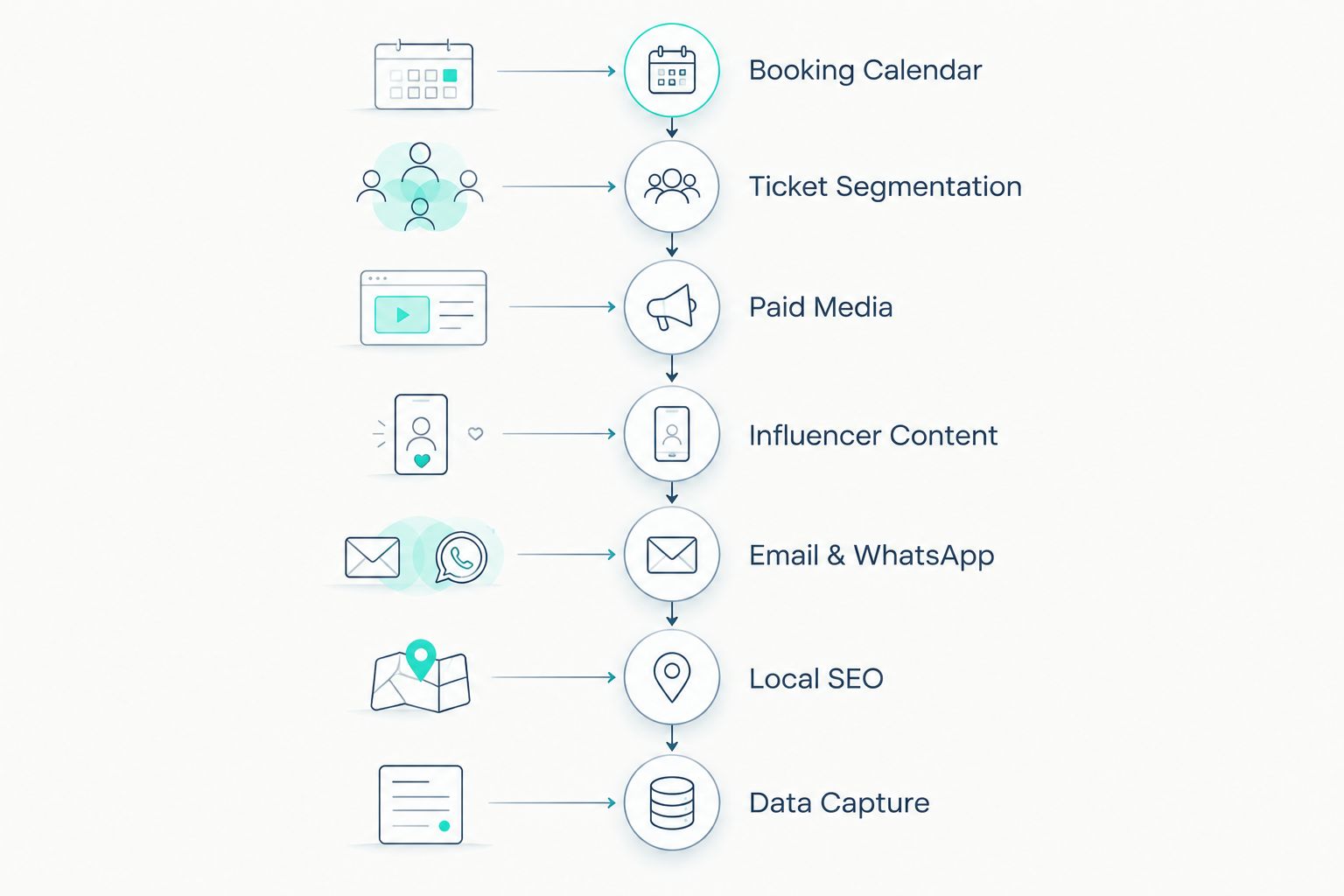
Build your seasonal booking calendar before any ad goes live
Map the whole trading run before touching a budget. Flag the days that historically undersell and the days that sell themselves — you'll spend differently on each.
- List capacity by day of week and flag the weak days first
- Separate corporate party nights from family and date-night slots
- Set price and capacity release dates in the calendar, not on the day
- Cross-check the calendar against other big local 2026 events that compete for the same weekend footfall
Segment ticket buyers by intent, not just ticket type
A family checking grotto slots and a corporate team booking a party night are not the same buyer, even if they're both clicking the same "book now" button. Message each one differently from the first ad.
- Families searching grotto availability and photo packages
- Local repeat visitors who attended the same market last year
- Corporate groups booking December party nights
- Day-trippers comparing your market against a nearby one
Launch paid media at least four weeks before doors open
Paid social and search both need lead time in a category this seasonal. Search volume for "Christmas market near me" style terms climbs through October — launching in November means arriving after the first wave has already booked elsewhere.
- Split Meta and Google Ads campaigns by weekday vs weekend intent
- Run retargeting ads against anyone who viewed dates but didn't book
- Use separate creative for grotto, market stalls and food and drink
- Cap spend on days that are already selling and shift it toward the weak days flagged in step one
Use influencer partnerships to sell the atmosphere, not just the ticket
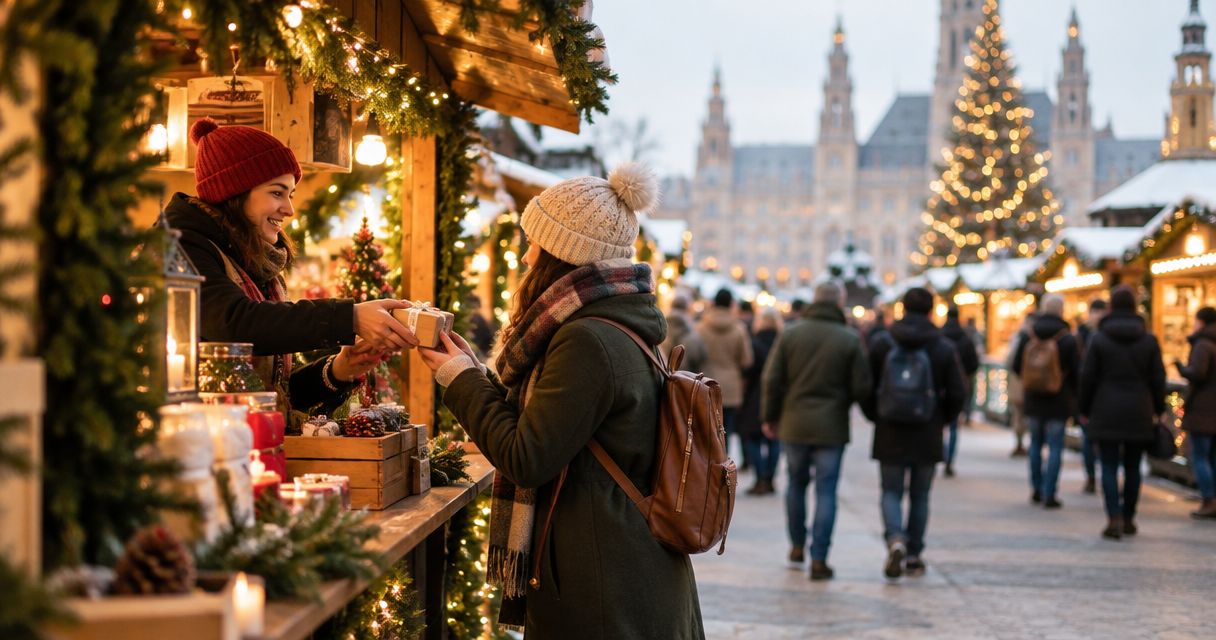
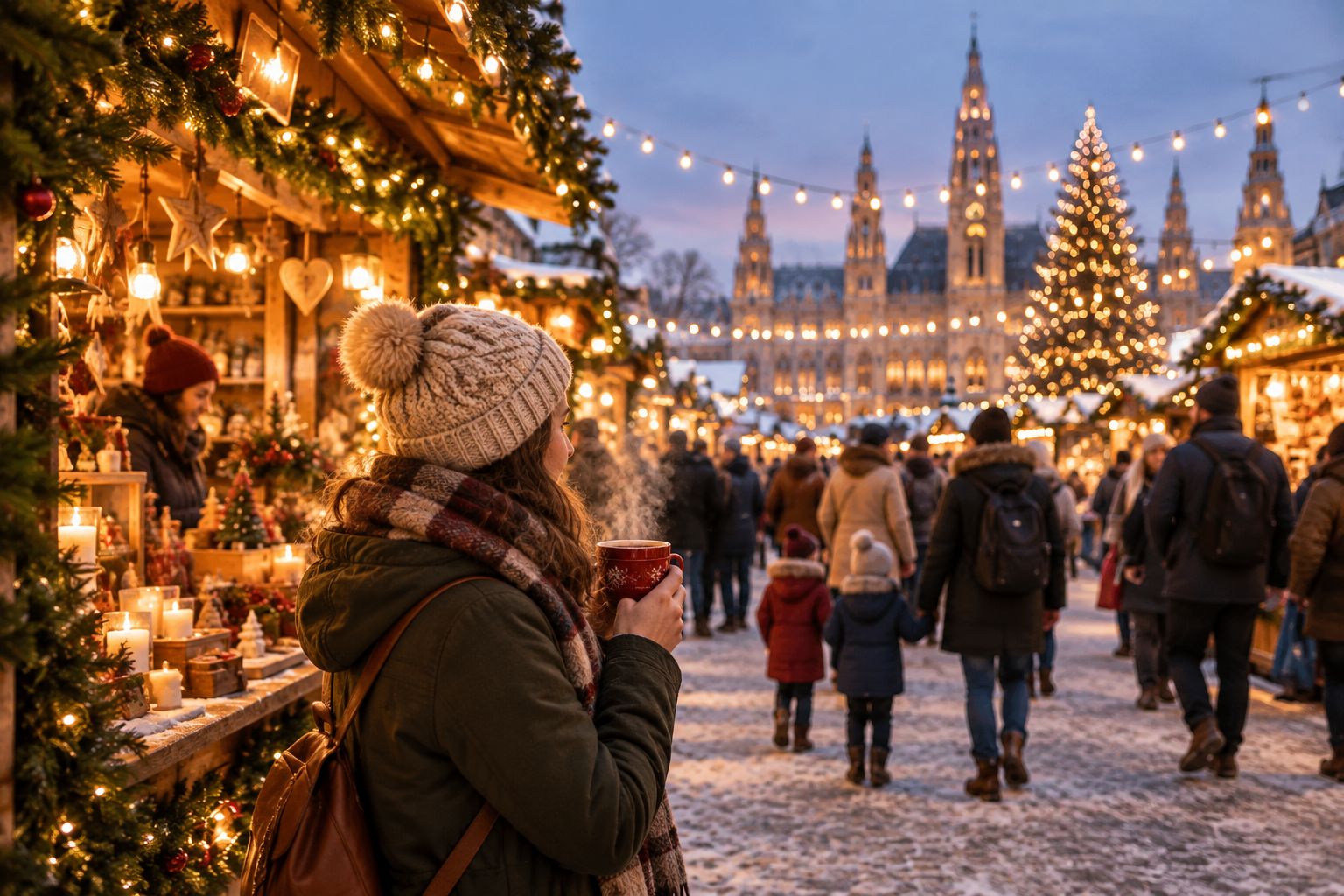
A Christmas market sells a feeling before it sells a ticket — the lights, the queue, the mulled wine. Influencer content does that job better than a paid ad, but only if it's booked early enough to run before peak weeks.
- Book local family and food content creators for a gifted visit in the first week of trading
- Brief for content showing the journey and queue, not just posed stall shots
- Time posts for Thursday evenings, when weekend booking searches typically spike
- Track a promo code or UTM link per creator so spend maps to bookings
Build an email and WhatsApp list before the market opens
A list built before the season starts converts faster than any cold audience once dates go live. Buyers on that list already trust the brand — they just need a reason to act now.
- Send a save-the-date to last year's buyers as soon as 2026 dates are confirmed
- Offer list subscribers early access to non-peak slots
- Use a WhatsApp marketing strategy for last-minute weekday fill pushes
- Segment sends by whether the recipient bought a grotto slot last year
Optimise local search and your Google Business Profile for the season
Free, always-on visibility matters most in the weeks when paid spend is stretched thin across every audience. Get the basics right before the season, not during it.
- Update opening hours and seasonal photos the day dates go live
- Add market-specific FAQs covering parking, dog policy and pram access
- Respond to every review before December, good or bad
- Run a separate location page for each market if you operate more than one
Fill off-peak slots with pricing and short-notice offers
Discounting the whole run to fix one weak Tuesday drags down revenue on days that were already selling. Target the offer at the specific gap instead.
- Discount midweek daytime slots rather than the entire trading run
- Push flash offers by SMS or WhatsApp 48 hours before a confirmed quiet date
- Bundle a food or drink voucher into weekday tickets instead of cutting the ticket price
- Check sell-through daily during December — weekly checks miss the window to act
Capture data for next year before the market closes
The season that just sold out has already told you everything you need for 2027's budget split. Capture it before the team moves on to the next campaign.
- Add a post-visit survey link to the ticket confirmation email
- Push newsletter or loyalty signup right after the visit, when satisfaction is highest
- Flag which channels drove the highest-value bookings, not just the most bookings
- Archive creative and audience performance while the season is still fresh
Comparing the channels for Christmas market marketing
| Option | Best for | Key limitation |
|---|---|---|
| Paid social (Meta) | Reaching new local audiences fast | Costs rise sharply in the two weeks before Christmas |
| Google Ads / PPC | Capturing high-intent "Christmas market near me" searches | Needs daily bid management once search volume peaks |
| Influencer marketing | Building atmosphere and FOMO before opening | Content lead time means bookings need to start early |
| Email / WhatsApp | Converting warm, returning visitors | Only works if the list exists before the season starts |
| Local SEO / Google Business Profile | Free, always-on visibility for nearby searchers | Slow to move once the season is already underway |
Verdict: no single channel carries a Christmas market on its own — paid media wins new buyers, email and WhatsApp win back returning ones, and local SEO catches the searches the ads miss.
Get your 2026 Christmas market campaign built
Paid media, influencer and retention work for seasonal experience operators.
Common mistakes Christmas market operators make
- Launching in November instead of October — the search volume spike for market-related terms starts weeks earlier than most operators assume
- Running one generic campaign for the whole market instead of splitting weekday, weekend and corporate audiences
- Treating grotto tickets and market entry as one product in ad creative, which flattens the message for both buyers
- Skipping retargeting, so visitors who browsed dates and left never see a reason to come back and book
- No post-season data capture, so the following year's campaign starts from zero instead of building on what worked
FAQ
What is event marketing for Christmas markets?
Event marketing for Christmas markets is the paid media, influencer and email/WhatsApp work used to sell grotto slots, market entry and corporate party tickets across a short seasonal trading window. It typically combines audience segmentation, paid social, local SEO and retention campaigns.
When should Christmas market marketing campaigns start?
Paid media and email should launch by mid-October for a market opening in late November, since search volume for market-related terms climbs weeks before doors open. Waiting until November means competing for buyers who have already booked elsewhere.
Is paid social or Google Ads better for Christmas markets?
Google Ads captures buyers already searching for a market near them, while Meta reaches new local audiences who haven't started searching yet. Most operators need both, split by weekday versus weekend intent.
How do influencers help sell Christmas market tickets?
Influencer content sells the atmosphere — lights, stalls, mulled wine — which converts better than a static ad for a seasonal experience. Content needs to run in the first week of trading to build FOMO before peak weeks.
What's the best way to fill weekday Christmas market slots?
Discount specific midweek daytime slots rather than the whole trading run, and push flash offers by SMS or WhatsApp 48 hours before a confirmed quiet date. Bundling a food or drink voucher into the ticket often works better than a straight price cut.
Does email marketing still work for Christmas markets?
Yes — a list built from last year's buyers converts faster than cold paid traffic because the buyer already trusts the brand. The list has to exist before dates go live to be useful.
How much does event marketing for a Christmas market cost?
Cost depends on channel mix, market size and trading length, so it varies operator to operator. A market running paid social, Google Ads and influencer content in parallel spends more than one relying mainly on email and local SEO.
How do you retain Christmas market visitors for next year?
Capture email or WhatsApp opt-in at the point of ticket purchase and push a survey or loyalty signup right after the visit, when satisfaction is highest. Re-contact that list before paid media even launches the following October.
One last thing
The lever most Christmas market operators skip: capturing email and WhatsApp opt-in at the point of this year's ticket purchase, then re-contacting that exact list in October 2026 before a single paid ad goes live. A buyer who already trusted the brand once converts faster and cheaper than any cold audience — most operators just never build the list to use it.