TikTok now drives ticket sales for escape rooms, trampoline parks, immersive experiences and live venues faster than almost any other channel in 2026 — but only when the format matches the buyer's booking behaviour, not when it's treated as a smaller version of Instagram.
- Spark Ads amplification is the best tiktok marketing approach for experience brands chasing bookings fast in 2026 — buy it.
- Organic UGC trend-jacking still delivers the cheapest reach for venues with an in-house content team — buy it.
- Micro-influencer seeding beats celebrity partnerships for ticket conversion; watch-through rate predicts sales, not follower count.
- TikTok LIVE ticket drops only work for operators with daily inventory, not one-off events — hold for most attractions.
Why this matters
Most experience brands still run TikTok like a highlight reel — polished aftermovies, branded logos in every frame, a link in bio nobody clicks. That approach worked on Instagram in 2019. It doesn't work on TikTok in 2026, where the algorithm ranks watch-through rate and completion, not who posted the clip.
Operators managing 50+ venues and events have watched the same pattern repeat: content that looks like an ad gets suppressed, content that looks like a customer's own video gets pushed to strangers who book that weekend. FullyBooked builds TikTok programmes around that mechanic instead of fighting it.
How this ranking works
This list ranks TikTok tactics by how directly they convert views into bookings for venues, attractions and ticketed events — not by follower counts or vanity engagement. Each tactic is scored on cost to execute, speed to first booking, and whether it survives past a single viral moment. Tactics that only work for brands with existing scale or huge production budgets get marked down; tactics any operator can run in 2026 with a phone and a booking link get marked up.
The ranked TikTok tactics for experience brands
1. Spark Ads amplification — the paid multiplier
Spark Ads let a brand pay to boost an organic post — including creator-made content — while keeping the original likes, comments and shares intact. That authenticity signal is the whole point: viewers see a video with real engagement history, not a cold ad unit.
For experience brands, this means taking the one organic clip that already got 40,000+ views in a week and pushing it in front of a lookalike audience within the same city radius as the venue. Verdict: Buy. This is the fastest lever for filling a specific date range in 2026.
2. Organic UGC trend-jacking — the free reach engine
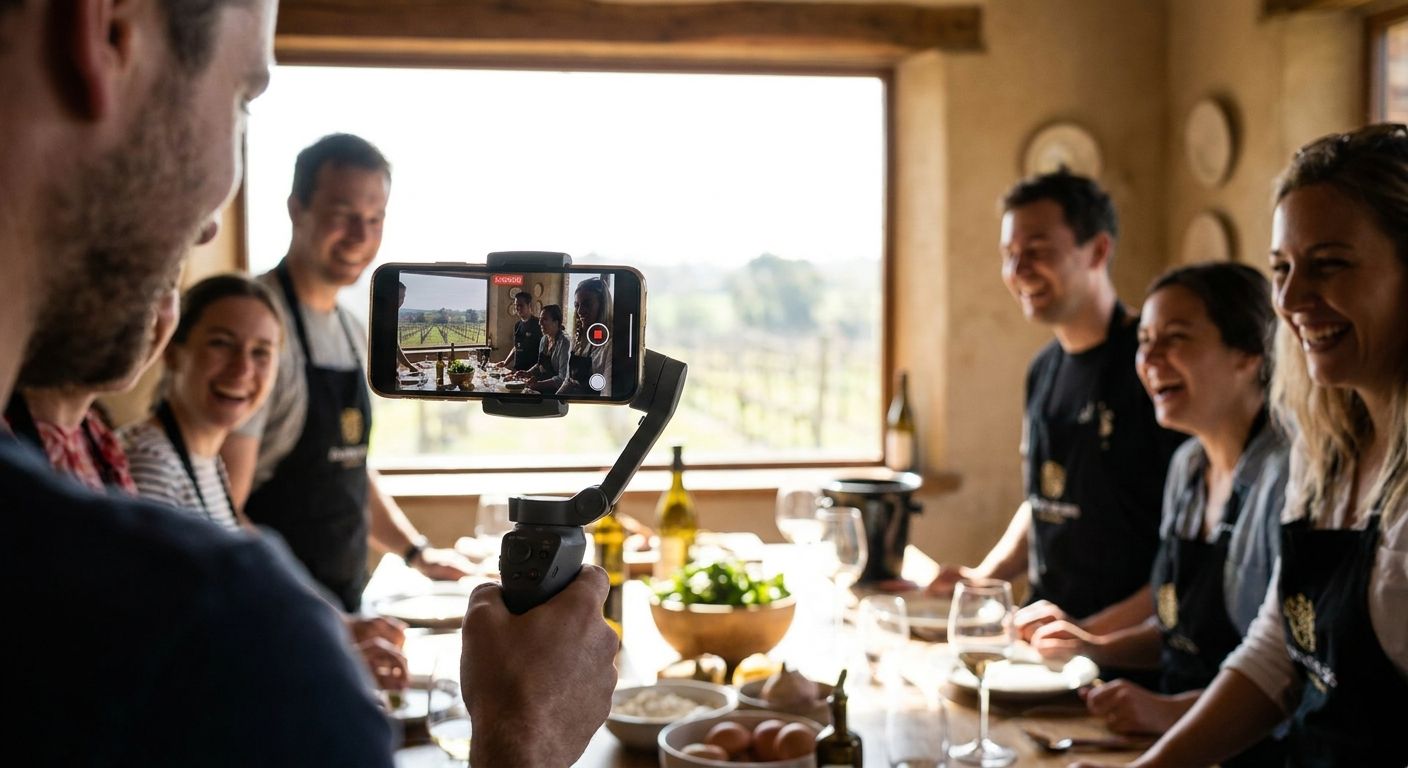
Stitching a trending sound or format onto a genuine venue moment — a scream on a drop tower, a group's reaction inside an escape room, a first-timer's face at an axe-throwing venue — costs nothing but staff time and a phone.
Venues posting three to five of these a week consistently outperform brands posting one polished video a month, because TikTok's discovery feed rewards frequency and completion over production value. Verdict: Buy, especially for operators building a repeatable social media strategy rather than chasing a single viral hit.
3. Micro-influencer seeding — the wildcard
Creators with 10,000-100,000 followers convert better per booking than celebrity-tier accounts because their audience trusts the recommendation as peer-level, not sponsored. Seeding five to ten local creators with free entry in exchange for one authentic video costs a fraction of a single macro-influencer partnership.
The risk: quality varies wildly, and a creator with a disengaged audience wastes the seat. Verdict: Consider — test with a small cohort before scaling the programme across 2026.
4. TikTok Shop and bio-link ticket funnels
TikTok Shop integration lets viewers move from video to checkout without leaving the app, which matters for impulse bookings — a couple deciding on date night, a group planning a Saturday. For experience brands without direct e-commerce checkout built into TikTok Shop yet, a clean bio link to the booking page does most of the same job.
The friction point is usually the booking page itself, not the TikTok traffic. Verdict: Buy, but only after confirming the booking flow works on mobile in under three taps.
5. Behind-the-scenes staff content series
Regular short-form content showing staff setting up a haunted house scare, resetting an escape room, or prepping a comedy club stage builds a following that isn't tied to any single trend. It's slower to build than trend-jacking but produces a more durable audience.
Verdict: Consider for brands with 12+ months of runway; Skip if the goal is filling seats in the next 30 days.
6. TikTok LIVE ticket drops
Going live to sell last-minute inventory — remaining slots for tonight's session, a flash discount on tomorrow's group booking — works well for operators with daily or near-daily availability to move. It works poorly for one-off events or seasonal attractions with no recurring inventory to sell.
Verdict: Buy for venues running last-minute booking campaigns; Skip for single-date events.
7. Retargeting via TikTok Pixel and Events API
Pixel-based retargeting brings back the viewer who watched 80% of a video but didn't click through — a warmer audience than any cold prospecting list. Setting this up correctly requires the Events API connected to the booking platform, which most operators skip in year one.
Verdict: Buy once baseline organic and paid volume exists to retarget against; Wait if TikTok is a brand-new channel with under 90 days of data.
“If a TikTok clip doesn't get watched past three seconds, no amount of ad spend behind it will fix the booking rate.”
Comparison table
| Tactic | Cost to run | Speed to booking | Best for | Verdict |
|---|---|---|---|---|
| Spark Ads amplification | Paid | Fast | Filling specific dates | Buy |
| Organic UGC trend-jacking | Free | Medium | Ongoing brand reach | Buy |
| Micro-influencer seeding | Low-paid | Medium | New audience testing | Consider |
| TikTok Shop / bio link | Free-low | Fast | Impulse bookings | Buy |
| Behind-the-scenes series | Free | Slow | Long-term following | Consider |
| TikTok LIVE ticket drops | Free | Immediate | Daily inventory venues | Buy |
| Pixel retargeting | Paid setup | Medium | Warm audience recovery | Buy (after 90 days) |
How to execute each tactic
- Post frequency beats production value. Three to five raw clips a week outperform one polished monthly video on TikTok's discovery feed in 2026.
- Match the tactic to the inventory. Daily-slot venues suit LIVE drops; single-date events suit Spark Ads on a countdown.
- Track watch-through rate before spend. A clip under 50% average watch time won't perform better with ad dollars behind it — fix the hook first.
Build your 2026 TikTok booking plan
Get a tactic-by-tactic plan matched to your venue's booking calendar.
FAQ
What is the best tiktok marketing approach for experience brands in 2026?
Spark Ads amplification paired with organic UGC trend-jacking is the best tiktok marketing approach for experience brands in 2026, because it combines fast paid reach with the authenticity signal TikTok's algorithm rewards.
Is TikTok better than Instagram for venue marketing?
TikTok generally outperforms Instagram for discovery-driven bookings in 2026 because its algorithm surfaces content based on watch-through rate rather than existing follower count, giving new venues a faster path to reach.
How much does Spark Ads cost for a venue campaign?
Spark Ads spend is set by the operator's own budget and bid strategy, so cost varies by market and competition; most venues start with a small test budget against one high-performing organic clip.
Do micro-influencers work for ticketed events?
Micro-influencers with 10,000 to 100,000 followers convert well for ticketed events because their audience treats the recommendation as peer-level rather than sponsored content.
Should escape rooms and axe-throwing venues use TikTok LIVE?
TikTok LIVE ticket drops work best for venues with daily or near-daily inventory to sell, so escape rooms and axe-throwing venues running regular sessions can use LIVE for last-minute slot sales.
What content performs best for immersive experiences on TikTok?
Raw, unpolished reaction footage from real visitors performs best for immersive experiences on TikTok, consistently outperforming scripted or heavily edited brand content in 2026.
How often should an attraction post on TikTok?
Attractions should post three to five times a week in 2026, since frequency and completion rate matter more to TikTok's discovery feed than a single high-production video per month.
Does TikTok Shop work for booking tickets directly?
TikTok Shop integration allows in-app checkout where available, and where it isn't set up yet, a clean bio link to the booking page captures the same impulse-booking behaviour.
One last thing
The operators getting the most out of TikTok in 2026 aren't the ones with the biggest production budgets — they're the ones posting the most often. Frequency beats polish on this platform, full stop.


